4.9 Stars | 200+ ReviewsGoogle
Fences · Decks · Gates
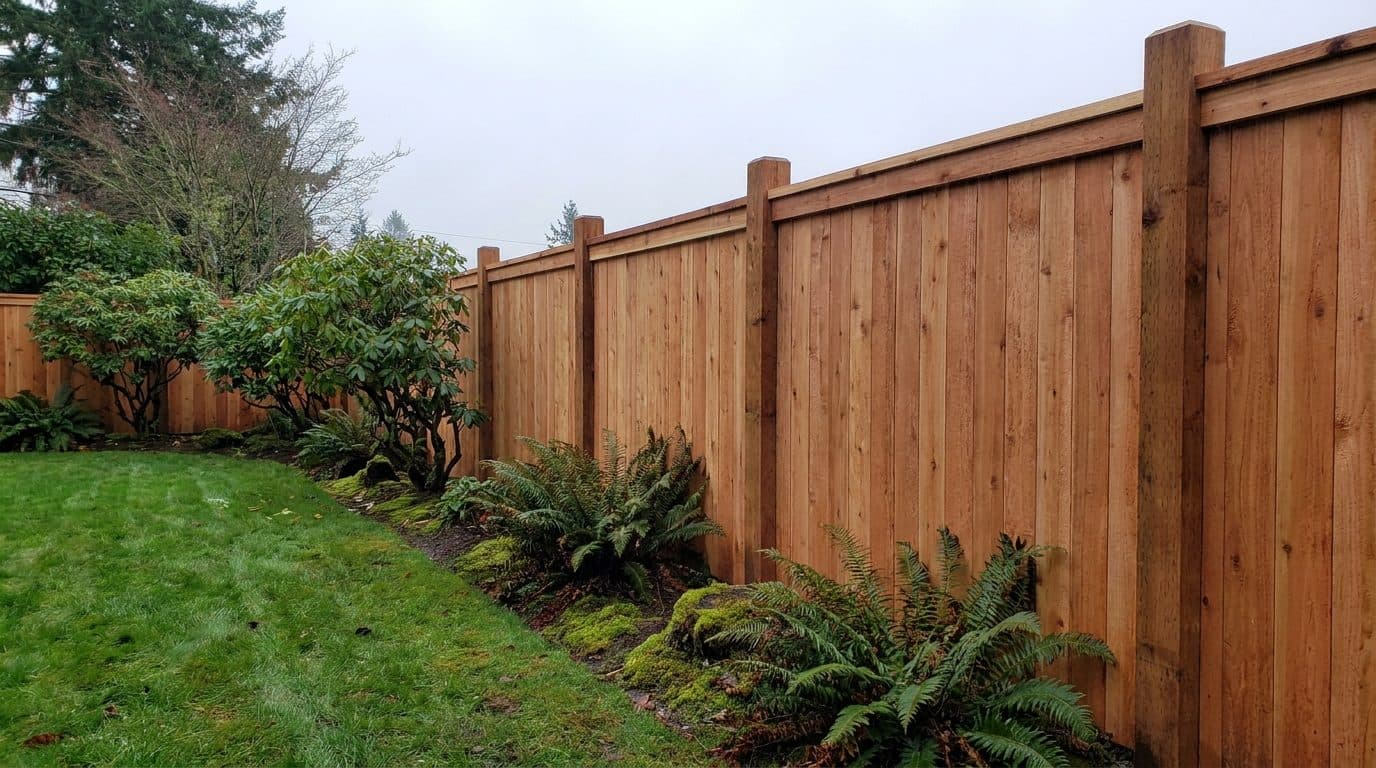
A new cedar privacy fence running along a backyard lawn, with fresh posts and straight top rails.
★Free Estimates · 5-Year Warranty

Fence Installation in Portland, OR & the Metro Area

  • New fences built to last in Portland rain
  • Posts set deep, drained and plumb
  • Free written estimate
Free
Written estimates
5 years
Workmanship warranty
4.9
Rating from 200+ reviews
Licensed
Bonded & insured

Recent Fence Installation Jobs in Portland

Finished jobs from our crew.

Fence Installation in Concordia, Portland+2 photos

Concordia, Portland

Fence Installation

September 2026

Full backyard fence for a new homeowner, about 180 ft, following the property line pins after we checked the survey.

★★★★★Homeowner rated our work 5 out of 5

★★★★★Grace L.

“They found the property pins before starting, which saved us a fight with the neighbor. Very professional.”

Is It Time for a New Fence at Your Portland Home?

Common reasons homeowners call us for a new fence

You just moved in and the yard is wide open
A new puppy or kids need a safe place to play
Neighbors can see straight into the patio
The old fence is past saving and needs to come out
You want to mark a property line clearly
A garden needs keeping deer or dogs out

What Fence Installation Involves in Portland

New fences built for a wet climate: posts set to drain, boards that stay straight, and gates that keep closing — across Portland, Beaverton, Happy Valley, and surrounding communities.

A good fence installation starts long before the first post goes in. We walk the line with you, talk about what the fence is for — privacy, pets, a pool, a garden, or just a clean edge to the yard — and look at the ground it has to stand in. Slopes, tree roots, drainage, old fence footings and buried lines all change how the job is built.

In the Portland area the ground is the hard part. Months of rain keep soil wet, and wet soil is what rots a wood post at the base and lets a fence start to lean. So every fence we build is planned around water: posts set deep enough for the height, concrete shaped to shed water away from the wood, and gravel at the bottom of each hole so water can drain instead of pooling around the post.

Before we dig, we call in a utility locate so gas, power and water lines are marked. We also check the fence rules for your city and any HOA rules you give us, since height limits, front-yard rules and corner-lot sight lines vary from town to town. If anything needs to be filed with the city, we tell you up front.

Then we build. Posts go in first and cure. Rails, boards or panels follow, kept straight with string lines and level checks, and gates are hung on heavier posts with hardware sized for their weight. At the end we clean up the dirt and scraps and walk the fence with you, gate by gate.
Choosing a Material for Your Fence Installation

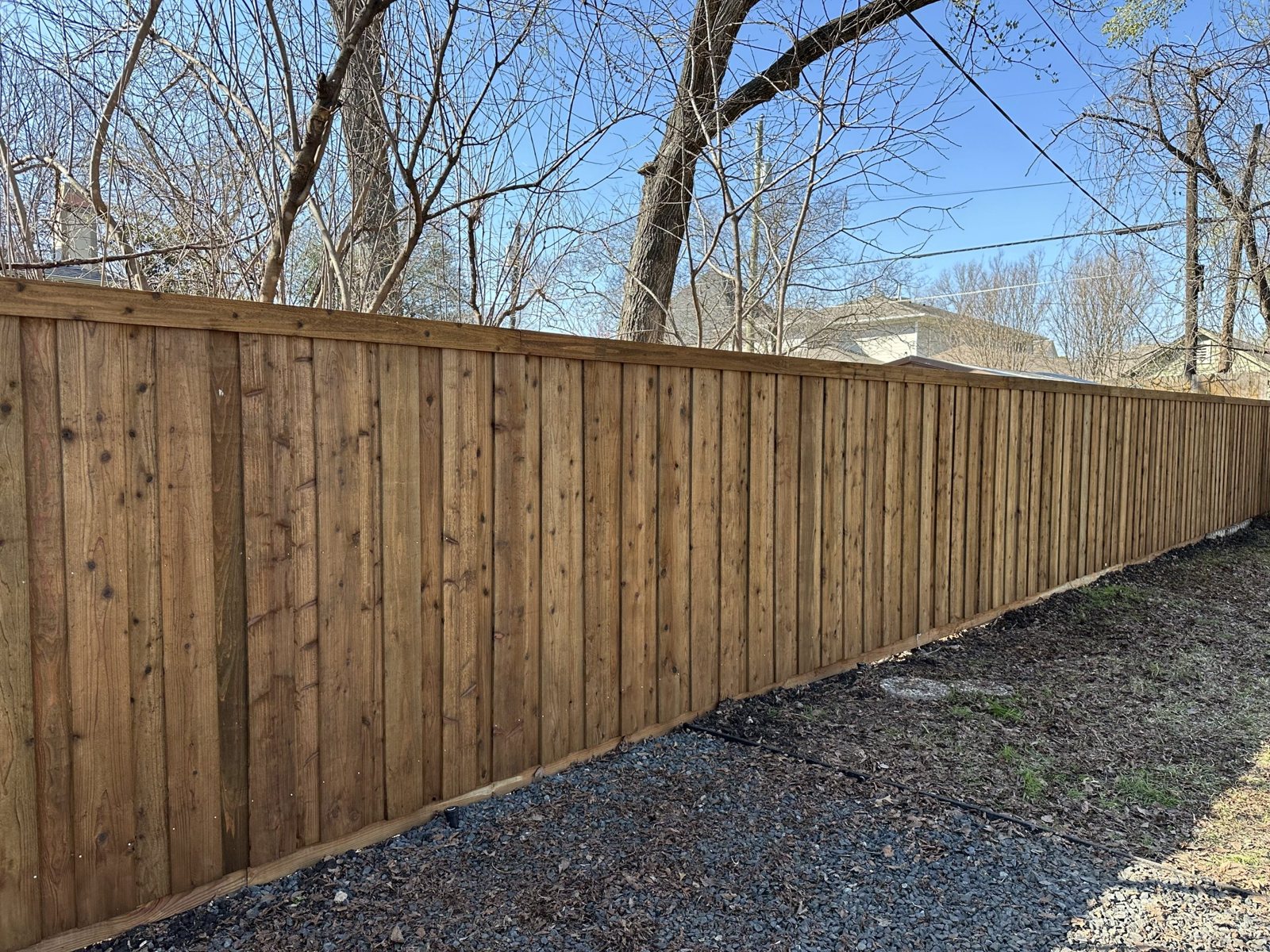
Cedar is the local default, and for good reason. Western red cedar resists rot better than most softwoods, stays fairly straight as it dries, and weathers to a soft silver if you leave it alone. It is what most Portland neighborhoods are already fenced with, so a new cedar fence tends to fit in.

Other materials earn their place too. Vinyl never needs stain and won't rot. Composite looks like wood but holds up longer with less care. Chain link is the practical choice for large yards, dog runs and side lots. Aluminum and ornamental steel give a clear view while still keeping pets and kids in. We go over the trade-offs during the estimate so the fence installation matches how you use the yard, not just how it looks on day one.

Posts: Where a Fence Installation Succeeds or Fails

Most fences don't fail in the boards. They fail at the posts, usually right at the soil line where wood stays wet longest. That is why our crews spend more time on posts than anything else.

Wood posts are ground-contact rated, set deep, and finished with a concrete collar sloped away from the post so rain runs off instead of sitting against the wood. Where a fence takes a lot of wind or carries heavy gates, galvanized steel posts are another option: they hide behind the fence boards on the inside face, don't rot, and keep a fence standing through winter storms. We'll tell you which makes sense for your yard.

What to Expect on Fence Installation Day

Once you approve the written estimate, we schedule the work and let you know when the crew will arrive. Most residential jobs happen in two stages: setting posts, then hanging the fence once the posts are firm. Plan to keep pets inside and leave clear access to the fence line.

If an old fence is coming out, we remove it and haul it away as part of the job. When the new fence is up, we check every gate swing and latch, clear the work area, and walk the line with you before we call it done.

Wood vs Low-Maintenance Fence Installation

Cedar or Wood

Best for
Privacy, a natural look, and fitting the neighborhood
Upkeep
Stain or seal every few years, or let it go silver
Weak spot
Posts and the bottom edge where wood stays wet
Repairs
Easy — boards and rails swap out one at a time

Vinyl, Composite or Metal

Best for
Owners who want little to no upkeep
Upkeep
A wash now and then to clear moss and grime
Weak spot
Panels can crack or bend on a hard impact
Repairs
Parts must match the system that was installed

How Fence Installation Works

1

Walk the line

We look at the yard, slope, drainage and what the fence is for

2

Written estimate

Material, height, gates and layout in writing before any work

3

Locate and check rules

Utilities marked; city and HOA rules checked

4

Set the posts

Deep holes, gravel for drainage, concrete sloped to shed water

5

Build and walk through

Fence and gates hung, site cleaned, final walk with you

What Affects the Cost of Fence Installation

Two fences of the same length can be very different jobs. These are the things that make the difference.

  • Length and height

    More feet of fence and taller sections mean more posts, rails and boards.

  • Material

    Cedar, vinyl, composite, chain link, aluminum and steel all differ in material and labor.

  • Number of gates

    Each gate needs heavier posts, framing and hardware; wide or double drive gates add more.

  • Slope and ground

    Hillsides need stepped or racked sections, and roots or rocky ground slow digging.

  • Post type

    Galvanized steel posts cost more to set than wood but hold up far longer in wet soil.

  • Old fence removal

    Tearing out and hauling away an old fence, including concrete footings, adds time.

  • Access

    Tight side yards or a fence line far from the driveway mean more carrying by hand.

Every fence installation starts with a free written estimate, before any work begins.

Why Portland Homeowners Call Us for Fence Installation

Written estimate before any work begins

Material, layout and gates spelled out first

5-year workmanship warranty

Covers the fence we build for you

Licensed, bonded & insured

Protection for you and your property

4.9 rating from 200+ reviews

From homeowners across the metro

Licensed, bonded & insured

Fence Installation Questions

How long does a fence installation take?
It depends on the length, the material and the ground. Most residential jobs run in two stages — posts first, then the fence once the posts are firm. Your written estimate tells you what to expect for your yard.
Do I need to know where my property line is?
It helps. If you have a survey or the corner pins are marked, we build to them. If the line is unclear, we suggest getting it confirmed before we build, especially along a neighbor's side.
Should posts be set in concrete or gravel?
Both have a job. We put gravel in the bottom of the hole for drainage and use concrete shaped to shed water away from the post. For high-wind spots or heavy gates, galvanized steel posts are another option.
Can you install a fence on a slope?
Yes. Fences can step down a slope in level sections or follow the ground with racked panels. We'll show you both and recommend the one that suits your yard and material.
Will you remove my old fence?
Yes. If an old fence is in the way, removal and haul-away can be part of the same fence installation, including old concrete footings.
What's the best time of year for a new fence in Portland?
Fences can go in most of the year. Dry months make digging and staining easier, but posts can be set in wet weather when the holes are drained properly. We'll schedule around the forecast where it matters.

Fence Installation Across the Portland Metro

Get a Free Estimate for Fence Installation

Written estimate before any work begins.